UK Budget 2026 – This Year’s Key Takeaways
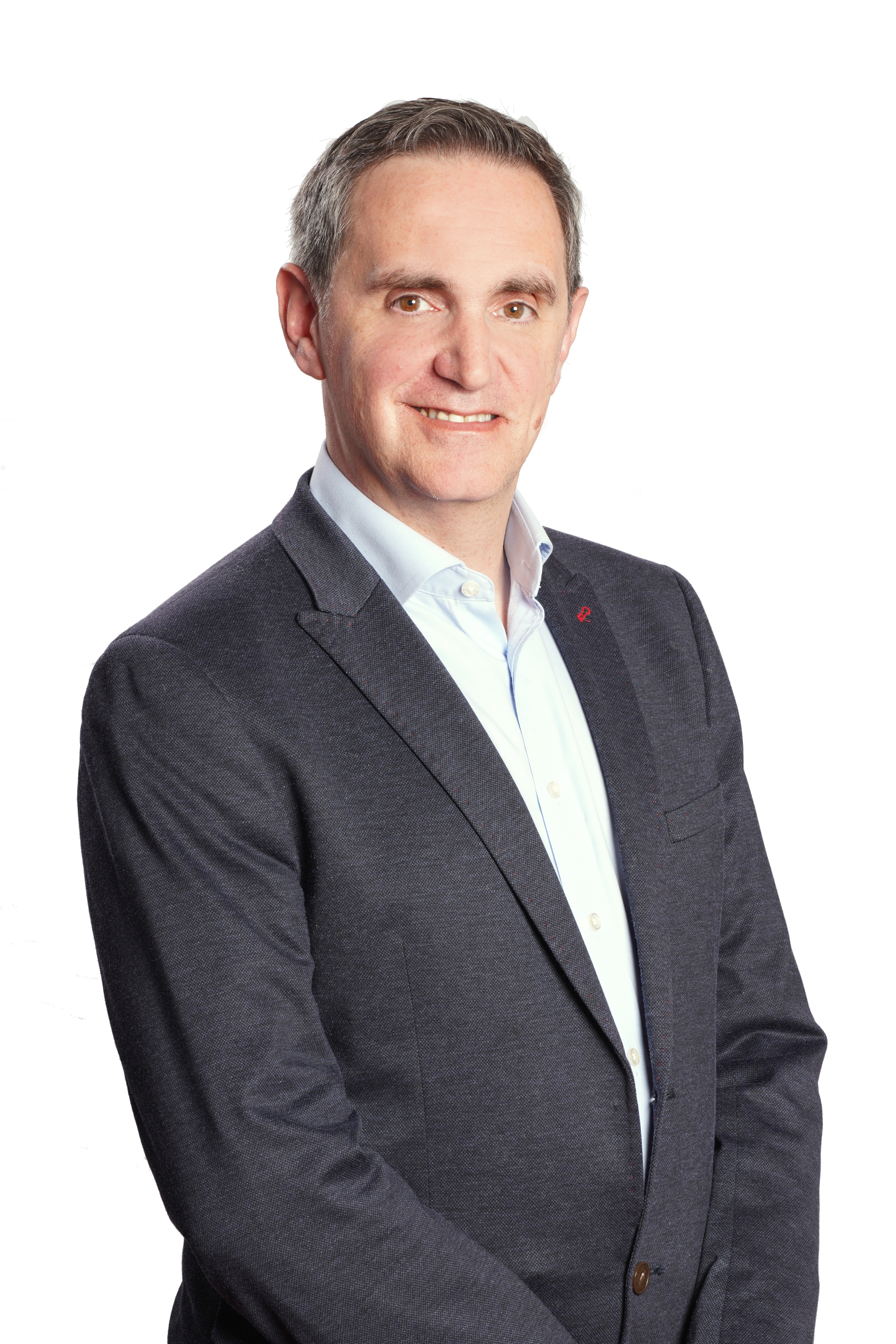
Published byFraser Gillies
This year’s UK Budget saw Chancellor John Healey taking action on the cost of living, fuel prices, local jobs, and a pledge of more funding for the Scottish Government to provide public services.
While discussion is ongoing about what the Budget means in real-terms for Scotland, we have seen the Scottish Government announced it will seek to replicate the Chancellor’s £100 energy payment scheme.
Below we look at wider elements of this year’s Budget. Managing Partner Fraser Gillies discusses what it means for renewables in Scotland, while the firm takes a broader look at some of the key takeaways for entrepreneurs, investors and high-net-worth individuals – several of which make now a good time for private clients and business-owners to review their affairs.
Clean energy focus
Fraser Gillies, Managing Partner of WJM said: “The focus on clean energy in the Budget undoubtedly creates opportunities for Scotland. The country already punches above its weight when it comes to clean energy innovation thanks to our vast renewable energy resources, putting us in a strong position to potentially attract a share of the recently announced £2billion Energy Wealth Fund.
“However, Scotland needs more than investment alone if it is to realise its true potential and this is what our firm will be focusing on when we and Irwin Mitchell hold our annual Renewable Energy Seminar in Glasgow next week.
“Driving renewables forward effectively will depend heavily on NESO’s capacity allocations and its Strategic Spatial Energy Plan which will help determine where grid investment is needed and crucially help provide clarity for developers and investors, though that clarity may not come until well into 2027.”
Capital gains tax
Speculation in the run-up to the Budget had focused on whether Healey would increase the main rates of capital gains tax (CGT), possibly by equalising them with the rates of income tax on earnings. The Chancellor opted against a fundamental reform of CGT but announced changes to the CGT system that, while narrower in scope, are expected to have a large effect on many individuals and their families (see below).
Business asset disposal relief
Formerly known as entrepreneurs’ relief, business asset disposal relief (BADR) enables company owners to qualify for a lower rate of CGT when they sell their firm. From 6 April 2027, the lifetime limit on BADR is being cut from the current £1 million to £500,000. Under the BADR system, qualifying disposals are taxed at 18% rather than the standard 24% rate. It is worth noting that, until 2025, the BADR rate was 10%. It was increased to 14% in 2025 and then to 18% in April this year.
Founders’ relief
Conversely, the Chancellor said that the government would consult on plans to offer lower CGT rates for individuals who set up or invest in high-growth, innovative companies and then sell them. Qualifying entrepreneurs and owners will be eligible for a CGT rate of just 10% on business sales, up to a £10 million lifetime limit and subject to certain criteria related to turnover growth, number of employees and length of ownership. The detailed definition of a qualifying founder and company will be crucial.
Taken together, the changes to BADR and proposals for founders’ relief create a tension between increasing incentives for entrepreneurship and negatively changing the tax treatment of exits of businesses deemed not to be ‘high growth’. For founders and family-business owners, this is the time to consider ownership, business succession, an eventual sale, how value is extracted and how wealth will pass to the next generation. The cap on IHT relief introduced in April 2026 provides a further reason for business owners to get on with succession planning.
What you should be doing now
This Budget creates opportunities for qualifying founders, but it also increases the pressure on property and investment income and reduces established capital gains tax relief for many other business owners.
With the cap on IHT relief already affecting business founders, and pension wealth due to come into the scope of IHT from April 2027, clients should start planning now if they haven’t already. Effective succession and estate planning takes time because it must reconcile tax, control, income, family fairness and commercial continuity.